Travel Comfort Hacks: How to Stay Relaxed on Long Flights
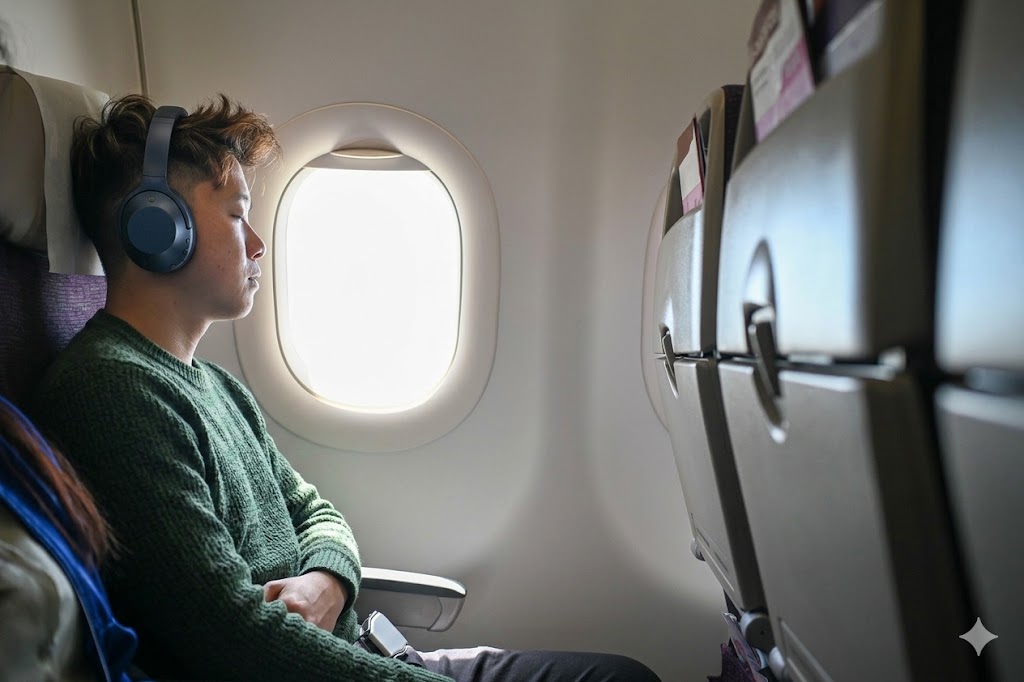
Long flights always sound fine when you’re booking them. You click through seat maps, maybe glance at the duration, and think, yeah, I’ll manage. Then somewhere over the middle of the ocean, six hours in, your knees start complaining and the air feels oddly dry, like you’ve been sitting inside a quiet machine that forgot what fresh air is supposed to feel like.
I used to think staying comfortable on a plane just meant bringing a neck pillow and hoping for the best. It turns out it’s a bunch of small things instead. None of them are particularly clever on their own, but together they make the difference between arriving feeling like a person and arriving like something that’s been folded into upholstery for too long.
Seat Reality and Small Adjustments
There’s no perfect economy seat. Even the ones near the front feel like they were drafted for someone with shorter thighs and a higher tolerance for awkward angles. The first hour dictates everything. If you settle into a slouch right after wheels up, you’re signing up for six hours of micro-adjustments. I learned to treat my carry-on as a makeshift toolkit instead of forbidden luggage. Unzipping it to prop a rolled sweater against the lumbar curve or slipping a water bottle into the gap beside the tray table isn’t hoarding space, it’s engineering a livable zone.
The armrest, of course, remains a quiet treaty. Sometimes you claim it. Sometimes you concede. It’s rarely worth the friction to prove you’re right when your elbow is the only thing paying the price.
The Quiet Battle Against Dryness
Cabin air doesn’t announce itself. It just works. Slowly. By hour three, your contact lenses feel like fine grit and your sweater suddenly carries the weight of a damp towel.
You can’t fix it with a single plastic cup handed out during the snack cart parade. Pacing matters. I keep a full bottle within arm’s reach, sipping without keeping score, watching condensation pool on the cheap plastic tray table. It’s maintenance, not a performance, and the difference shows up around the time the wheels finally touch down.
Balm, drops, lotion. Clutter until it isn’t. You just grab them, use them, and forget they existed.
Sleep, or Something Like It
Forcing sleep never works, but quieting the cabin does. An eye mask isn’t about blocking the safety demonstration light so much as giving your brain permission to clock out. Pair it with noise-canceling headphones, or just thick foam plugs, and the engine’s hum flattens into a dull gray blanket. I used to push through two bad movies, hoping exhaustion would finally catch up, only to realize I’d sailed past the window entirely. The trick is catching that first dip in alertness around the time they dim the lights. It’s messy and unpredictable. Sometimes you drift off with your head tilted toward the window, drooling slightly on a thin fleece jacket, and sometimes you just watch strangers chew pretzels while the seatbelt sign blinks. Both count as resting.
Moving Without Making a Scene
Staying rigid is how joints turn to glass. You don’t need a full workout, just permission to break the static hold before your legs forget how to bend.
I stand up whenever the cart isn’t rolling through. A walk to the rear galley takes forty seconds. The carpet near the lavatories smells faintly of recycled cleaner and stale coffee, but the shift in temperature feels like stepping outside for a breath of actual atmosphere. Most people don’t look up. They’re buried in headphones or tracing the rim of their cups, too wrapped in their own stillness to notice a neighbor doing laps down the aisle.
Even seated movements count. Rolling your ankles clockwise. Pressing your heels into the floor. Shifting your weight left, then right.
The goal isn’t to arrive at the destination stretched and glowing. It’s to avoid that heavy, cemented feeling that makes unbuckling your seatbelt feel like dismantling a piece of heavy machinery. You just need your legs to remember they’re supposed to work.
The landing gear thuds against the runway with that familiar, heavy sigh. The cabin fills with the sound of zippers opening and phones booting back up, everyone suddenly remembering they have a life waiting on the other side of the door. I pack the neck pillow, the empty water bottle, the half-used lip balm, all of it shoving back into a bag that suddenly feels heavier than it did at check-in. Outside the window, the airport tarmac stretches out flat and gray under a low ceiling of clouds.
It never feels like a dramatic arrival, really. Just a pause ending, ready to be resumed. The air outside the door is probably cool and smells faintly of asphalt. I’ll zip my coat, find the exit line, and wait for the next one to start moving.