Small Expenses That Quietly Add Up
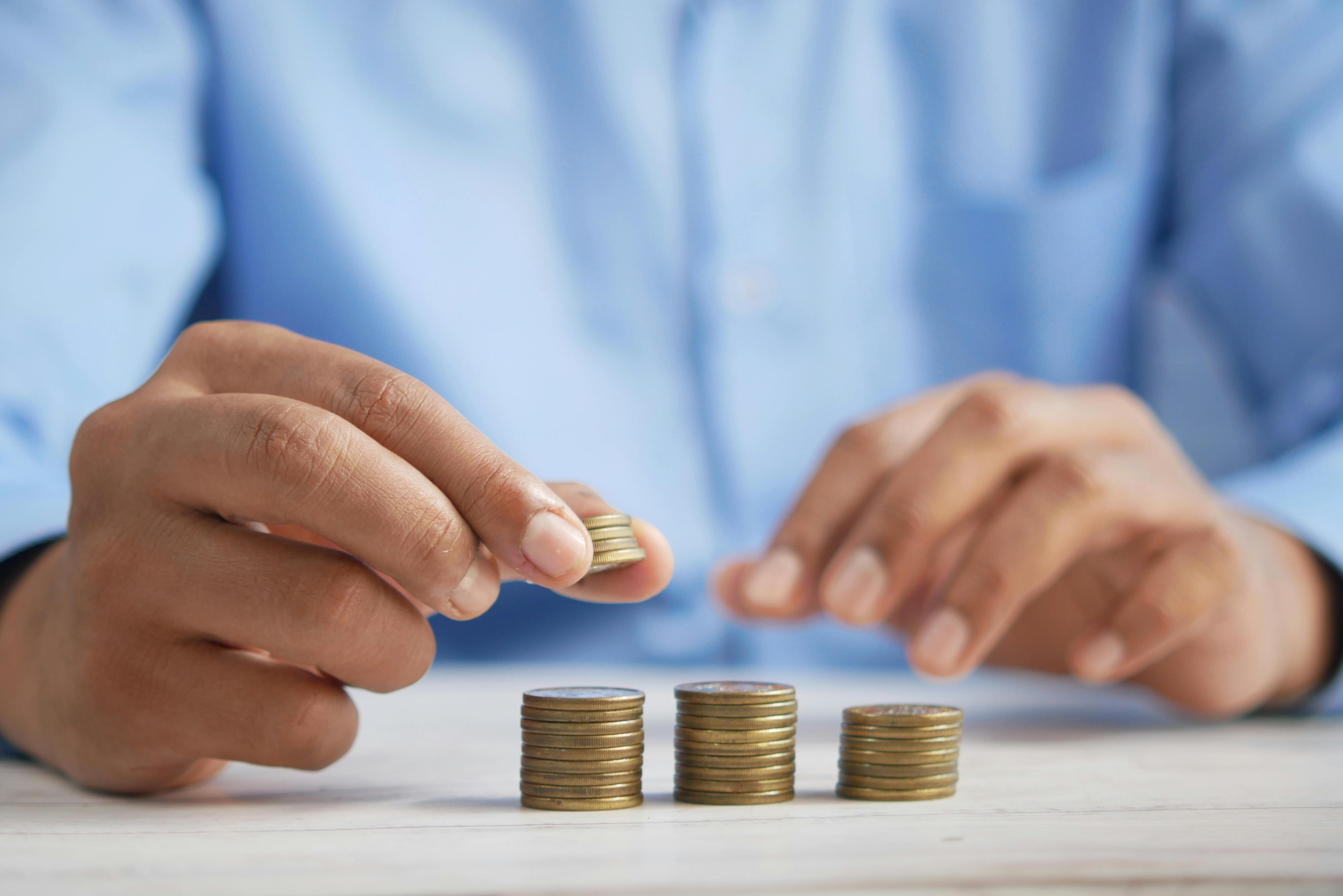
There's a specific financial blind spot that most budgeting conversations don't address directly. It's not the big purchases—those get noticed, considered, and sometimes regretted, but at least they're seen. It's the small ones. The four-euro coffee. The delivery fee that's less than the minimum order, so you add a side of fries just to justify it. Individually, these are inconsequential. Collectively, they can account for several hundred euros a month that don't show up anywhere in how you think about your spending.
The psychology here is pretty simple: small amounts don't trigger the same "Is this worth it?" evaluation that large ones do. We all have a threshold below which money feels essentially free. This is a useful cognitive shortcut for staying sane, but an expensive one for your bank account.
The Subscription Creep
Subscriptions are designed to be "sticky." They’re easy to start, mildly annoying to cancel, and billed in amounts small enough to avoid scrutiny. A streaming service at thirteen euros a month is less than fifty cents a day, which sounds like nothing. But four services is sixty euros a month, which is over seven hundred a year. Suddenly, it’s a car payment.
The issue isn't the service itself; it’s the accumulation. The gym membership you used twice in March. The news site you joined for one article. The software tool from a project that ended six months ago. A subscription audit—just sitting down once with a bank statement—converts that vague sense of "I pay for some things" into a hard number. Usually, that number is higher than you think.
-
The Annual Trap. Billing once a year is cheaper, so it feels like a win. But it’s also easy to forget until the charge hits your account, at which point you’re stuck for another twelve months.
-
The Free Trial. These are just delayed decisions. If you don't set a calendar reminder to cancel the day before it converts to paid, you’re basically agreeing to pay for something you haven't decided you want yet.
Food and the "Autopilot" Spend
Food is where small amounts do the most damage because it’s a high-frequency category wrapped in emotional and social layers. Delivery is the obvious culprit. A twelve-euro meal becomes twenty-two after fees and a tip. Three deliveries a week is a massive monthly line item, but because it happens in small bursts, it’s easy to ignore the total.
Workplace spending is even more invisible. The coffee from downstairs, the lunch because you forgot to pack anything, the bakery snack—these happen on autopilot. If you do it twenty times a month, that "cheap" four-euro coffee is an eighty-euro monthly bill. It’s not that buying coffee is a sin; it’s just that most people have never actually looked at the total.
The Supermarket List: The difference between a list and no list isn't just discipline—it's waste. Food that gets thrown away is just money that produced nothing. Calibrating what you buy to what you actually eat is the rarest case where the practical and the principled outcomes are exactly the same.
The Convenience Premium
We often pay for things specifically because they are slightly less annoying than the alternative. Pre-cut vegetables, single-serving packaging, and branded versions of identical generic products are all convenience taxes. There’s nothing wrong with paying for time, but it’s worth treating it as a choice rather than a default.
ATM fees are the most pointless version of this—paying two euros to access your own money once a week is a hundred euros a year for nothing. Late fees and credit card interest are similar; they produce zero value. Eliminating interest payments is usually the highest-return financial move you can make, but it requires looking at numbers that aren't fun to see.
I added up my recurring charges last year and found a cloud storage subscription I'd started for a project two years earlier and haven't touched since. It wasn't a huge amount, but it took four minutes to cancel. Those four minutes are why these things persist—not because we want to pay for them, but because finding them requires a specific kind of attention we usually save for more interesting things. It’s not about being cheap; it’s about making sure your money is actually going where you want it to go.