How Lighting in a Room Affects Your Mood
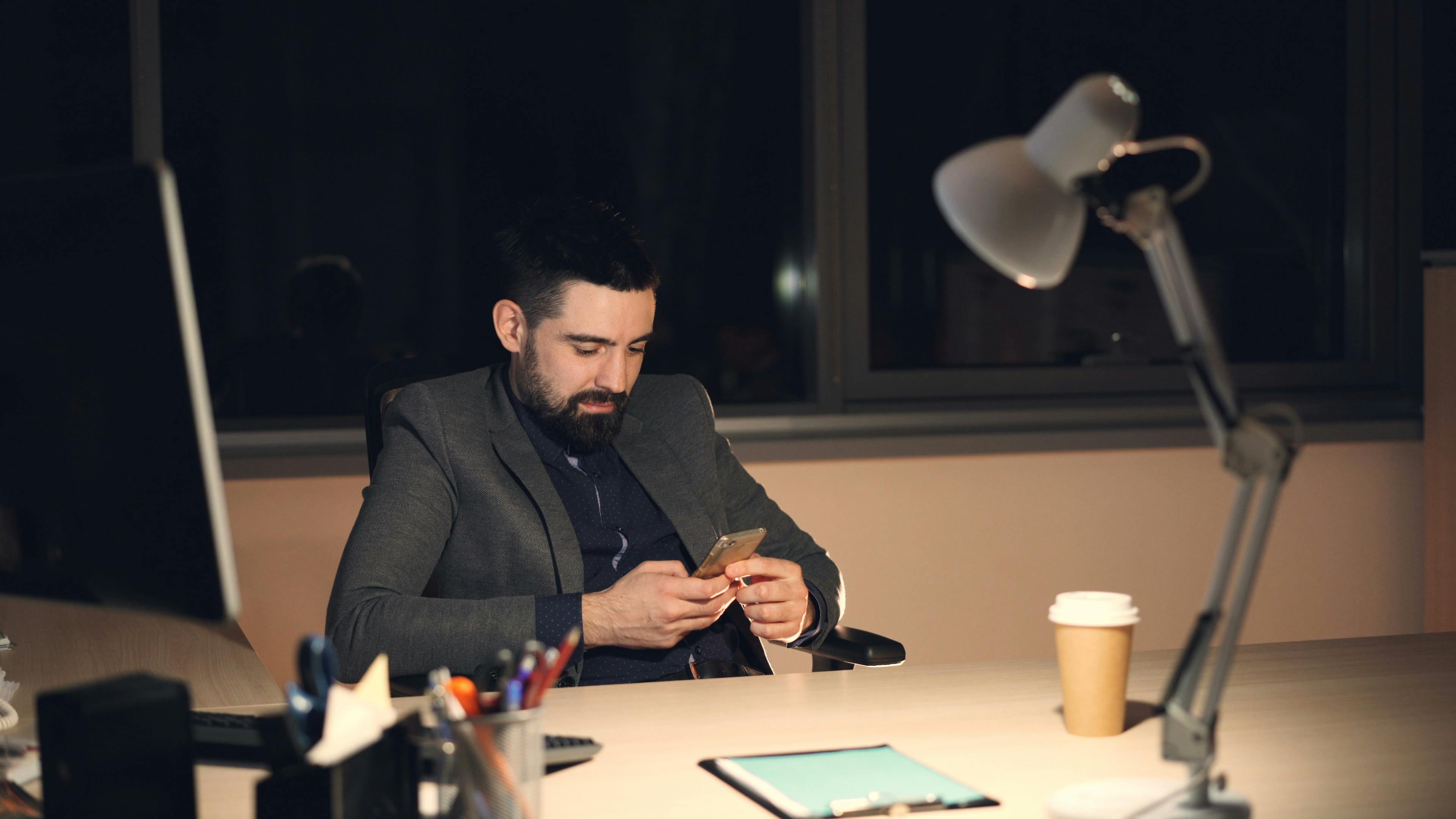
You don’t really notice lighting until you’re sitting there with a headache or looking at a friend across a dinner table and realizing they look vaguely like they’re being deposed.
It’s usually the "Big Light"—that single, aggressive bulb in the center of the ceiling that everyone hates but nobody remembers to turn off. It’s less of a design choice and more of a default setting for people who haven't had time to buy a real lamp yet.
It’s strange how much it changes things. A kitchen at noon is a workspace, but at midnight, under a bad light, it just feels like a place where you’re failing to sleep.
The Overhead Light Problem
There is a specific kind of flatness that comes from those standard-issue ceiling fixtures. Everything gets hit with the same intensity, so nothing has any depth. It’s not that it looks like a hospital exactly, it just feels a bit lonely. You see the crumbs on the counter and the scuffs on the floor with way too much clarity.
I think most people just get used to it. They live with that one harsh glare for years because it’s "fine."
But then you get a small floor lamp or even just a cheap string of lights and suddenly you actually want to sit in the room. It’s a low-bar fix that we all ignore for way too long. It’s the difference between a space that’s just lit and a space that’s actually livable.
The Kelvin Mess
I don't know the math behind color temperature, and I don't really care to. Those blue-ish bulbs are the worst—they make a living room feel like the inside of a supermarket freezer or a gas station bathroom. Warm light is better, obviously. It’s just easier on the eyes when you’re trying to wind down or read something that isn’t a spreadsheet. A room with a cold white bulb at 9pm makes me feel like I should be doing my taxes instead of relaxing.
Where It Actually Happens
In the kitchen, you’re just trying not to cut your thumb off, so you need light on the counters, not behind your head where you cast a shadow over the onions.
Bathrooms are worse because of that one light over the mirror that makes you look like a ghost with dark circles under your eyes; side light is the only way to not feel depressed every morning.
And the living room is basically just an exercise in hiding the light source. You want the glow, but you don’t want to see the actual bulb. A lamp tucked behind a chair or a dimmer switch turned halfway down does more for a room than any piece of expensive art ever will. It’s mostly just about creating a little bit of mystery so the whole place doesn't look like a 7-Eleven.
Dealing With the Sun
The direction your windows face is the one thing you can't really fix. North-facing rooms are always a little bit grey and south-facing is great until 3pm when the sun hits your TV screen and you can't see anything for two hours. Mirrors help, I guess, but mostly they just reflect the glare into your eyes when you’re trying to eat. Plants are the real trick; light coming through leaves looks different. It’s softer.
I finally got around to changing the bulbs in my hallway last week. They’d been flickering for a month, that nervous, strobe-like pulsing that makes you feel like you're in a horror movie. Now the space feels a little less like a transition and more like an actual part of the house. It’s just light, I know. But I’m walking through there a bit slower now, which is probably a good thing.