A Home That’s Easy to Clean: What Actually Works
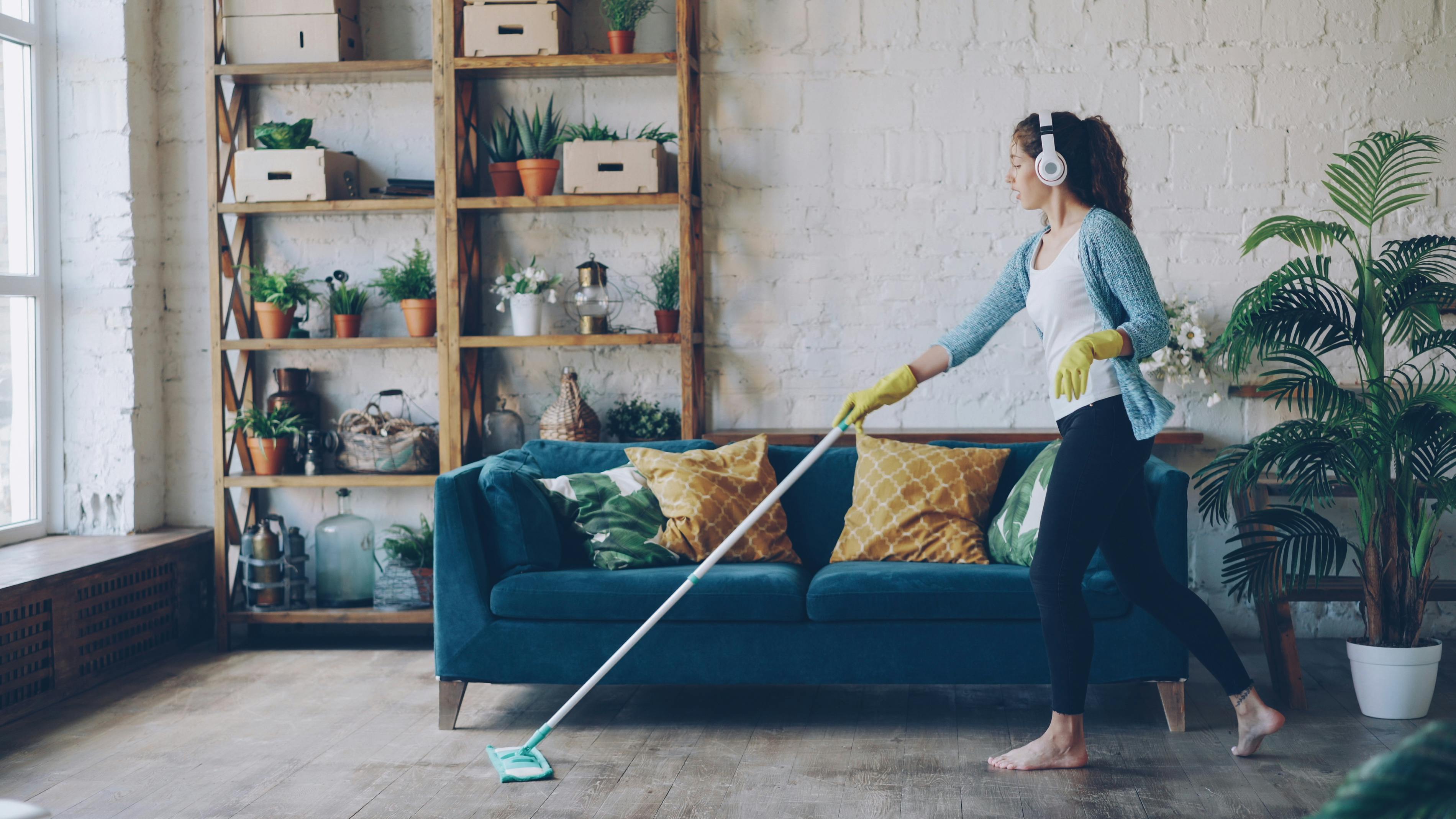
Cleaning is one of those tasks that expands or contracts based almost entirely on the conditions you set up before you start.
The same apartment can take forty minutes or two hours to clean depending on how many objects you have to move before you can actually wipe a surface. The cleaning itself isn't the variable; the setup is.
Most advice focuses on products—which spray for which stain—but the more useful conversation is about the physical environment. It’s about what makes a home structurally easier to maintain without ever picking up a sponge.
The Tax on Surfaces
The single biggest factor in how long cleaning takes is how much "stuff" lives on your counters. A kitchen counter with a toaster, a coffee machine, a knife block, and a stack of mail takes five minutes of clearing before you can even start wiping. A counter with just the coffee machine takes five seconds. Each object is a small, recurring tax on your time every single week.
Floors work the same way. The actual vacuuming is fast; it’s the picking-up-and-moving that kills your momentum. Reducing what lives on the floor—using hooks for bags, racks for shoes, and velcro for cables—makes the space vacuumable in minutes rather than a whole afternoon production.
Materials That Forgive
Some finishes are just built for people who have better things to do than scrub. Matte walls look great in photos, but they’re a nightmare to wipe clean. Eggshell or gloss finishes in high-traffic areas like hallways and kitchens are far more practical—a damp cloth actually works on them.
-
The Grout Trap. White grout on a bathroom floor is a design choice you’ll pay for in labor. Darker grout hides the inevitable discoloration and saves you hours of thankless scrubbing.
-
Washable Covers. A sofa with removable, washable covers is a completely different object than one without. Over a year, the ability to just throw the covers in the wash is the difference between a clean home and one that just "looks" okay.
The "Hook" Philosophy
Things without homes don't get put away; they get put down. Usually on the nearest flat surface. Hooks are the most underrated storage solution in existence. They cost almost nothing, take thirty seconds to install, and create an immediate home for the coat or bag that would otherwise end up on a chair.
The friction of returning something to its place determines whether the habit sticks. If putting something away requires opening a door and moving three other boxes, it won't happen. If it just requires dropping it into an open bin or onto a hook, it usually will. This is why laundry baskets without lids are objectively superior—they’re faster to use, so they actually get used.
The Doormat Rule: A genuinely good, coarse doormat is a high-yield investment. It stops the dirt before it even enters the structure. Two mats—one outside and one inside—reduce the actual cleaning load more than any expensive vacuum ever could.
Tools Over Products
You don't need eight different specialized sprays. A general all-purpose cleaner, a glass cleaner, and maybe something for limescale are all you actually need. Beyond that, it’s mostly marketing. Microfiber cloths are the real innovation here; they pick up dust instead of just pushing it around, and they don't scratch.
The best tool is the one you’ll actually pull out on a Tuesday night. A heavy, corded vacuum that lives in the back of a closet is a psychological barrier. A small, accessible cordless one makes you more likely to handle a mess the moment it happens, which keeps the "big clean" from feeling like such a mountain.
I have a bathtub edge covered in half-empty shampoo bottles and a candle I never light. Every time I clean, I have to move all of them, wipe the rim, and put them back. It’s a three-minute tax I pay every week for no reason. I’ve known this for months, and I still haven't moved them. Sometimes we’d rather complain about the work than spend ten seconds fixing the setup, which is probably the most human thing about us.